

The Hidden Costs of Ignoring Irrigation System Repair
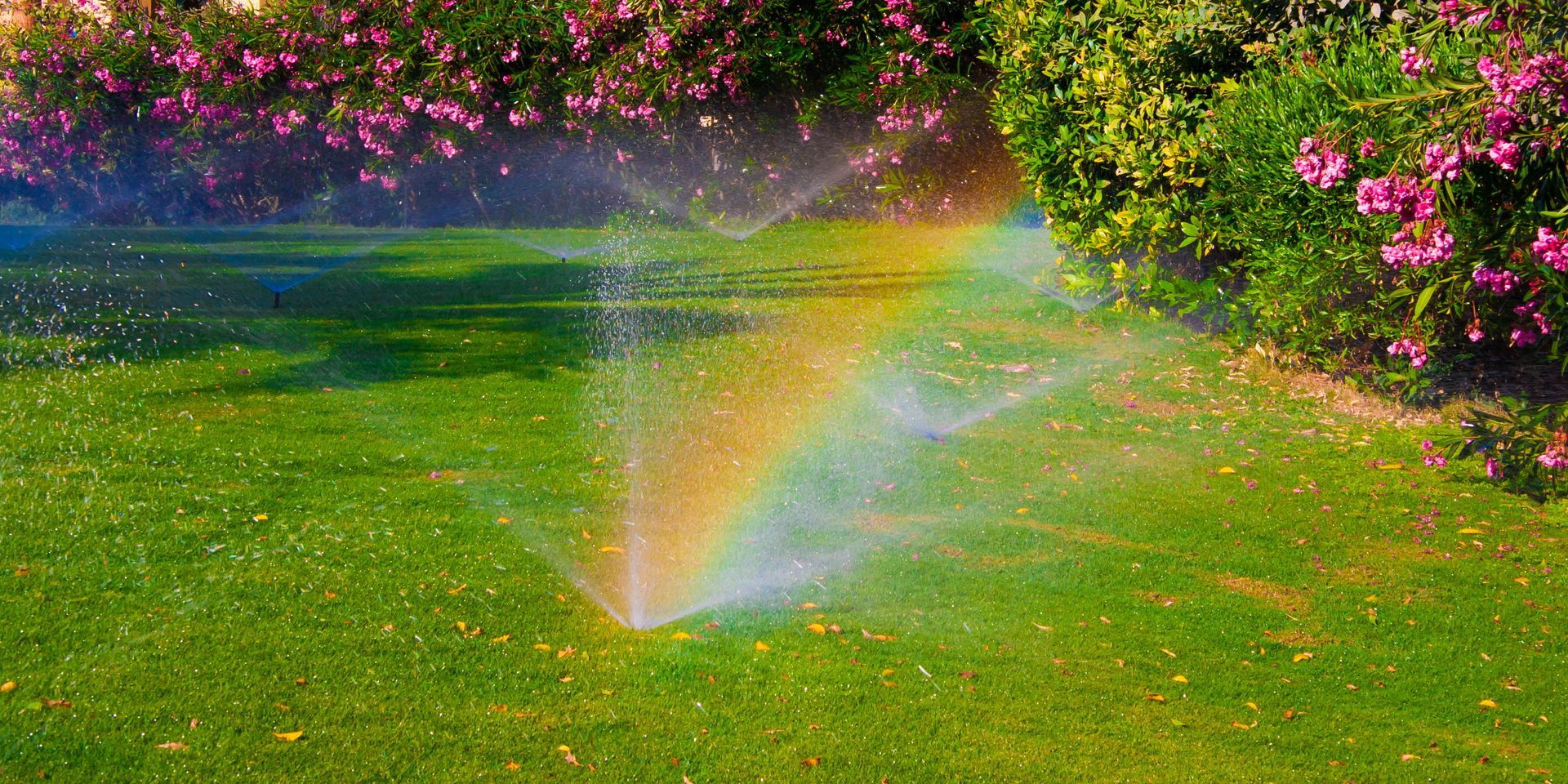
Maintaining a vibrant landscape requires dedication, effort, and adequate hydration. Property owners invest immense resources into cultivating lush green spaces, planting vibrant flowers, and designing serene outdoor environments. These cultivated natural elements rely on artificial rain when natural weather patterns fail to deliver sufficient moisture. Below the soil surface, intricate networks of pipes and valves combine to sustain the foliage above.
Equipment failure remains inevitable over the lifespan of any complex mechanical setup. Small leaks or misaligned spray heads might appear harmless at a glance, tempting individuals to postpone any fixes. Delaying irrigation system repair creates a cascade of unseen problems that grow worse with each passing season. The consequences of this negligence extend beyond some brown patches on the front lawn.
Evaluating the Financial Drain on Properties
Broken underground pipes release endless streams of precious water into the earth. Utility bills skyrocket when meters record this continuous flow month after month. Most municipalities charge high rates for excessive usage, punishing wasteful habits with severe financial penalties. Property owners stare in shock at their billing statements, unaware that a hidden fracture beneath the turf is draining their bank accounts.
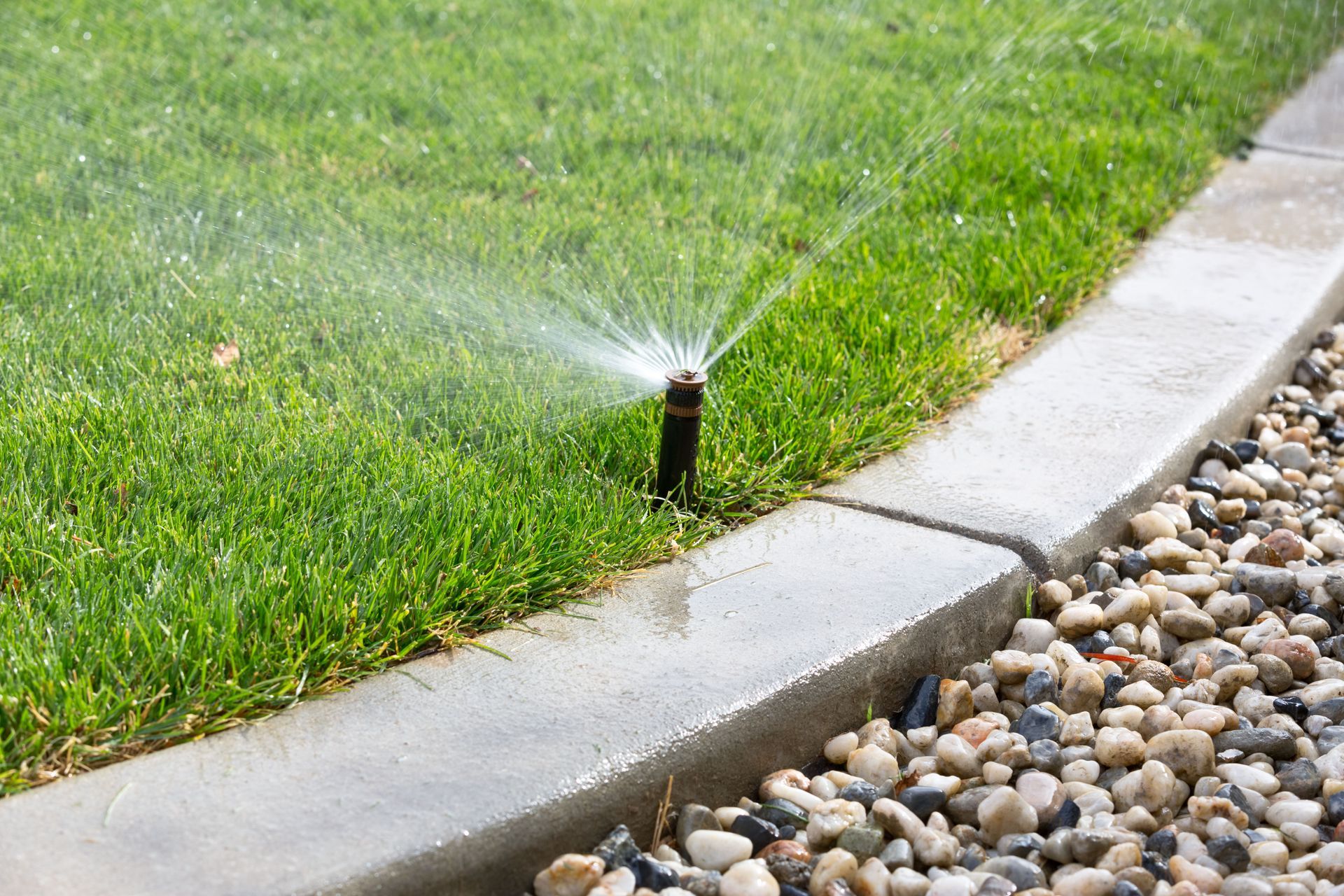
Water gushing from a cracked plastic line accumulates volume with alarming speed. According to How Stuff Works, a lawn sprinkler system typically sprays one to five gallons every minute. This astonishing rate translates to massive waste when the setup operates for standard durations. Over multiple cycles, the volume of lost moisture equates to filling an entire swimming pool.
Beyond utility charges, the monetary toll includes replacing dead vegetation. Grass, shrubs, and trees represent a hefty investment. When plants perish due to inconsistent watering, purchasing mature replacements requires substantial capital. Scheduling an irrigation system repair stops this financial hemorrhage before it ruins the seasonal landscaping budget. Addressing the underlying mechanical fault preserves both the vegetation and the wallet.
Labor costs for fixing advanced decay exceed the price of prompt intervention. Digging through mud and severed roots to reach a shattered main line demands intense physical effort. Plumbers and landscaping professionals charge premium rates for extensive excavation work. Catching minor problems in advance prevents catastrophic ruptures, keeping maintenance costs within a reasonable range and preventing unexpected economic strain.
Recognizing the Environmental Toll on Ecosystems
Water conservation stands as a crucial global priority. Depleting regional reservoirs strains the local environment, leaving less drinking water for surrounding communities. Broken pipes contribute to this widespread depletion, wasting treated municipal water on saturated soil. Such irresponsible consumption strains treatment facilities, forcing them to process more liquid than necessary to meet the artificial demand of leaking yards.
Surface runoff creates another severe ecological hazard. When soil reaches maximum saturation, excess water flows over the ground, picking up harsh chemicals. Fertilizers, pesticides, and herbicides wash into street drains and travel toward natural waterways. Prompt irrigation system repair prevents this toxic mixture from polluting rivers, lakes, and streams. Protecting aquatic life requires strict management of residential runoff.
Stagnant puddles left by faulty sprayers create ideal breeding grounds for pests. Mosquitoes lay eggs in standing water, causing population booms that frustrate neighborhoods. These insects carry diseases, threatening public health. Algae blooms thrive in damp patches, choking out native plants and emitting foul odors. A balanced yard environment rejects these pests by maintaining proper drainage.
The broader local climate relies on responsible resource management. Pumping excessive water out of local aquifers lowers the water table, affecting wild flora and fauna. Trees in adjacent forests suffer when ground reservoirs drop, reducing accessible root depths. Correcting mechanical faults in lawn watering equipment ensures that the surrounding natural habitats maintain their delicate balance without human interference.
Assessing the Structural Damage to Buildings
Water pooling near a concrete foundation causes severe peril to the entire structure. Soil erosion happens beneath the surface, removing the crucial support needed to hold heavy walls. Without firm earth beneath the footings, cracks form in the concrete slabs. Neglecting an irrigation system repair allows this underground shifting to worsen, leading to catastrophic structural failures.
Driveways and sidewalks share this vulnerability to underground washouts. Continuous leaks dissolve the compacted dirt under asphalt and cement walkways. With time, heavy paving materials collapse into the resulting voids, creating dangerous tripping hazards. Fixing a sunken driveway demands heavy machinery and massive amounts of fresh concrete, turning a small leak into a major construction project.
Basements and crawl spaces flood when saturated soil presses against exterior building walls. Hydrostatic pressure forces moisture through microscopic pores in the foundation materials. Dark, damp indoor environments foster rapid mold growth. Fungus destroys drywall, rots wooden floor joists, and ruins stored belongings in the lower levels. Remediation crews must tear out affected materials, imposing massive inconveniences on the inhabitants.
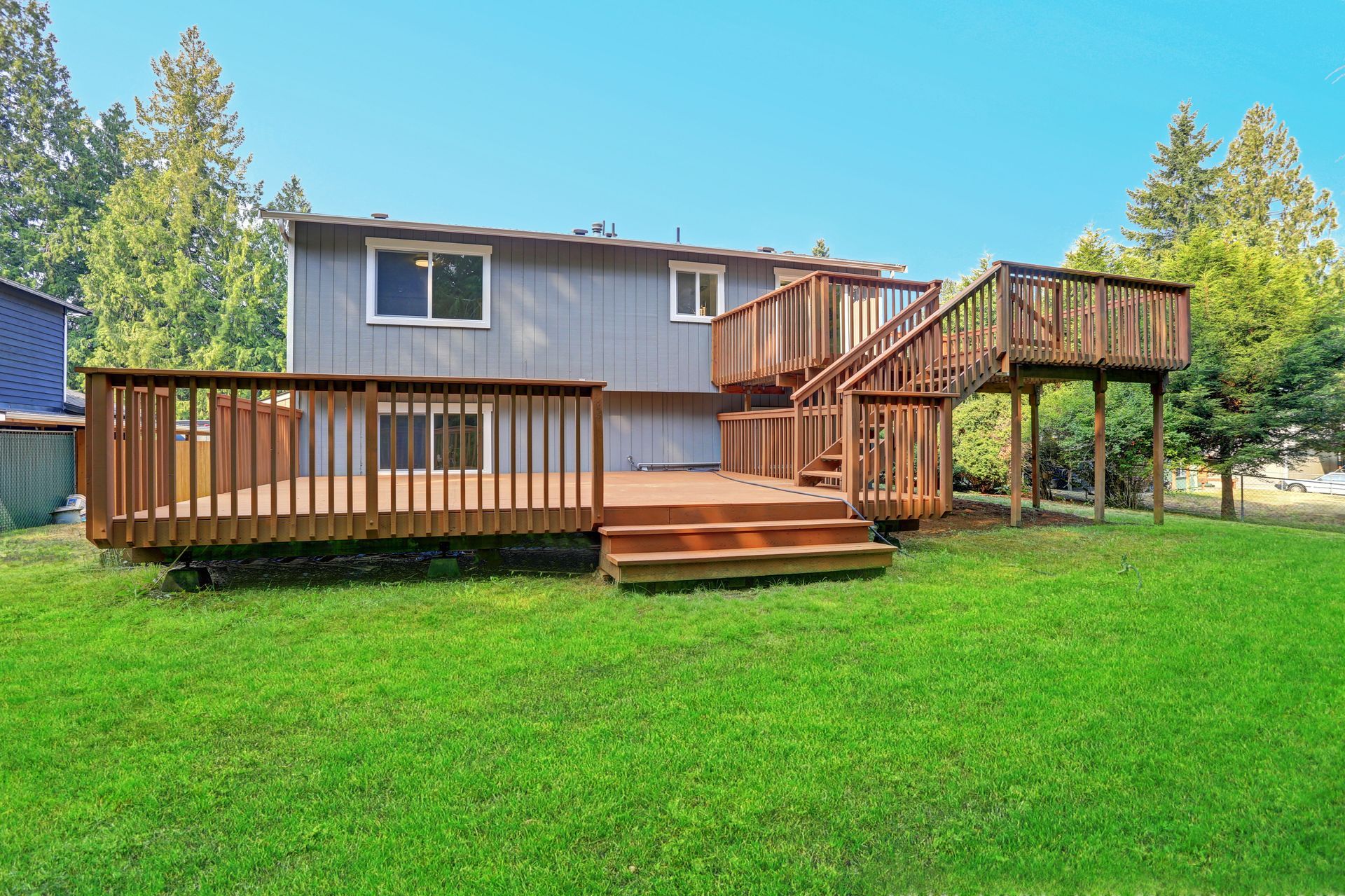
Wooden structures face unique threats from errant spray patterns. Sprinkler heads stuck in a fixed position blast water onto wooden siding, fences, or backyard decks. Wood absorbs this constant moisture, leading to rapid decay. Termites and carpenter ants seek out soft, rotting timber. Protecting these architectural features requires keeping mechanical watering devices aimed at the grass.
Measuring the Botanical Harm to Landscapes
Overwatering drowns delicate plant roots by eliminating air pockets in the soil. Roots require oxygen to process nutrients and sustain plant growth. When the ground remains waterlogged, the vegetation suffocates. Leaves turn yellow and drop from the plant stems. Property managers watch their prized rose bushes and ornamental shrubs perish despite sitting in a swamp of excess moisture.
Fungal diseases spread with incredible speed across soggy lawns. Brown patch disease and root rot thrive in hypersaturated environments. These pathogens decimate large sections of grass, leaving ugly scars across the property. Reversing fungal damage requires chemical treatments and intensive soil aeration. Restoring the lawn to a healthy state involves immense labor and significant material costs.
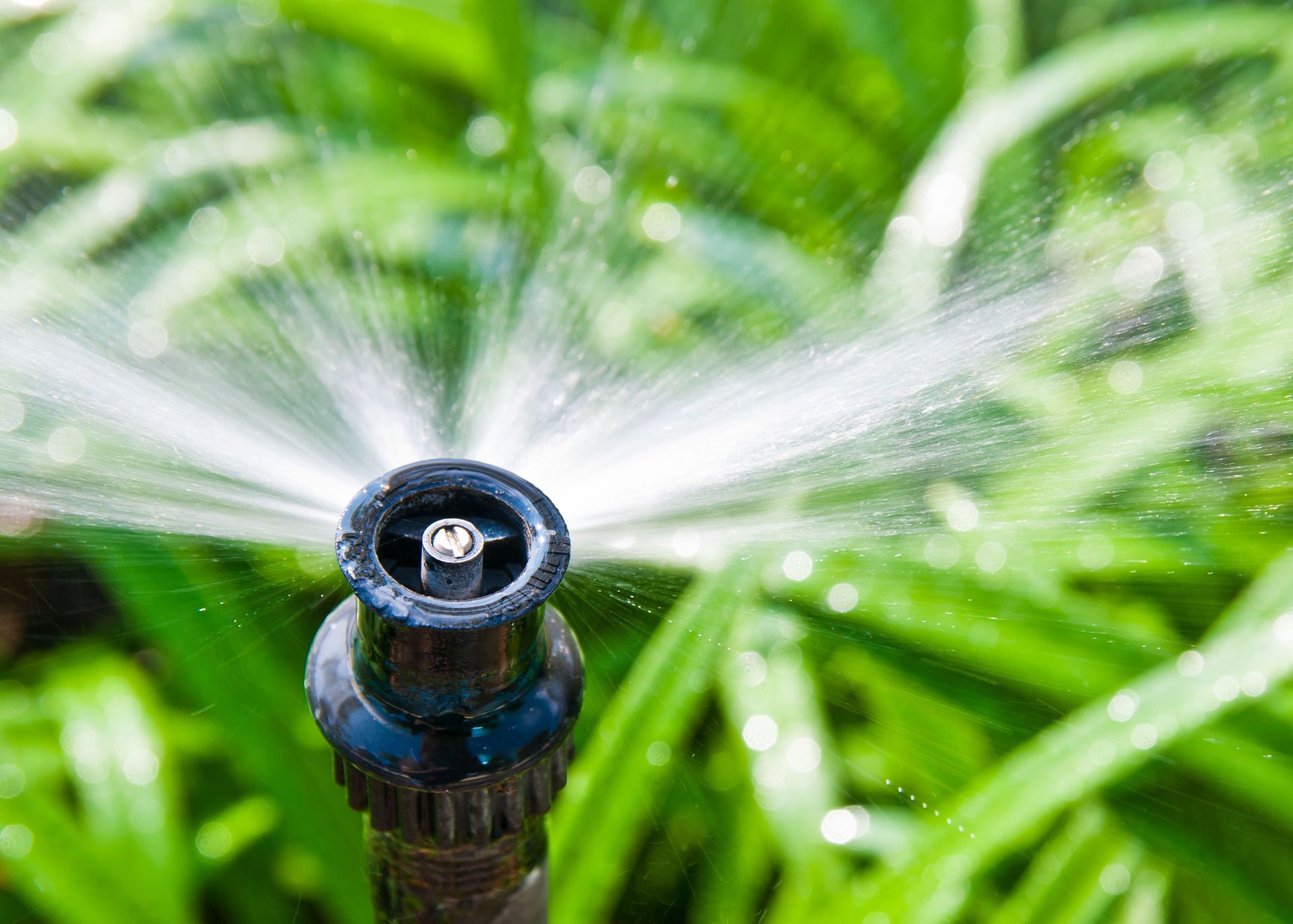
On the opposite end of the spectrum, a malfunctioning valve might prevent water from reaching specific zones. Underwatering causes immense devastation. Grass turns brittle and dies under the scorching sun. Dry soil hardens into an impenetrable crust, preventing future rains from soaking into the earth. An immediate irrigation system repair ensures that every plant receives the precise amount of needed hydration.
Trees rely on deep, infrequent watering to develop sturdy root systems. Shallow puddles from broken nozzles train tree roots to stay near the surface. Shallow roots make giant oaks and maples vulnerable to high winds. A strong storm can topple a massive tree if its anchor system remains weak. Proper mechanical maintenance protects the structural integrity of old-growth timber.
Ignoring minor mechanical flaws guarantees a future filled with massive headaches. Small drips evolve into gushing geysers, stripping the soil of nutrients and eroding the ground beneath permanent structures. Scheduling a comprehensive irrigation system repair saves property owners from overwhelming stress. Proactive maintenance preserves the aesthetic appeal of the outdoors while shielding bank accounts from disastrous unexpected expenses.
Consistent observation remains the best defense against landscape degradation. Checking the lawn for damp spots, pressure drops, or dry patches reveals hidden mechanical failures. Taking swift action stops water waste, protects local ecosystems, and defends the structural integrity of adjacent buildings. A well-maintained watering network transforms a property into a thriving oasis, ensuring nature and architecture exist in perfect harmony. If you suspect hidden water damage is affecting your property, contact us at Cooper's Lawn & Landscaping LLC to schedule an irrigation system repair today. We are ready to help you preserve your landscape and prevent costly future damage.


Share On: