

Preparing Your Irrigation System for Seasonal Changes
Hillsborough County homeowners know that Florida's weather doesn't follow a simple four-season calendar. Instead, our lawns and landscapes cycle through humid, rain-soaked summers, cooler and drier winters, and unpredictable shoulder seasons that can swing from drought-like conditions to sudden downpours within days. Because of this, your irrigation system has to work harder — and smarter — than systems in more temperate climates. Preparing it for these seasonal shifts isn't just about keeping your grass green; it's about protecting a significant investment, conserving water, and avoiding costly repairs down the road. Below, we've outlined the key steps every homeowner should take to keep their irrigation system running efficiently no matter what the Florida sky decides to do next.
Assessing Your Irrigation System Before Seasonal Transitions
Before summer's heavy rains arrive or winter's occasional cold snaps set in, it's worth taking a full inventory of how your irrigation system is performing. Walk your property and run each zone manually, watching for uneven coverage, pooling water, or dry patches that suggest a head is clogged or misaligned. Seasonal transitions are the ideal time to catch small issues before they become expensive ones, since a system that was working fine in April may develop leaks or pressure problems by the time August's rains put it to the test. This kind of thorough assessment is also the best opportunity to check your rain sensor or soil moisture sensor, if you have one, to confirm it's still communicating properly with the controller. A system that isn't calibrated correctly can waste enormous amounts of water — and in a state where water conservation is a growing concern, that inefficiency adds up quickly.
Adjusting Watering Schedules for Florida's Wet and Dry Seasons
Hillsborough County generally experiences a wet season from roughly June through September and a comparatively dry season the rest of the year. An irrigation system that runs on a static, year-round schedule is almost guaranteed to either overwater during summer storms or underwater during the dry months. As the seasons shift, your watering schedule should shift with them. During the wet season, many homeowners can cut back to one or two waterings per week, supplementing only when natural rainfall falls short. During the dry season, that frequency typically needs to increase to keep root systems healthy without stressing your turf. Smart controllers that adjust automatically based on weather data can take much of the guesswork out of this process, but they still need to be reviewed periodically to ensure they're interpreting local conditions correctly.
Inspecting Pipes and Valves for Hidden Vulnerabilities
Even though Hillsborough County rarely sees hard freezes, temperature swings and ground shifting can still stress the pipes, valves, and fittings buried throughout your irrigation system. Seasonal changes are an ideal trigger for inspecting these components, since a slow leak underground often goes unnoticed until it shows up as a spike in your water bill or a soggy patch in the yard. Valves that stick or fail to close completely can waste water continuously, running unnoticed for days or weeks. Because these components are largely hidden from view, this is one area where a professional inspection is especially valuable — a trained technician can pressure-test the system and pinpoint problems that would otherwise go undetected until they cause real damage to your lawn or landscaping beds.
Clearing Sprinkler Heads and Nozzles of Debris
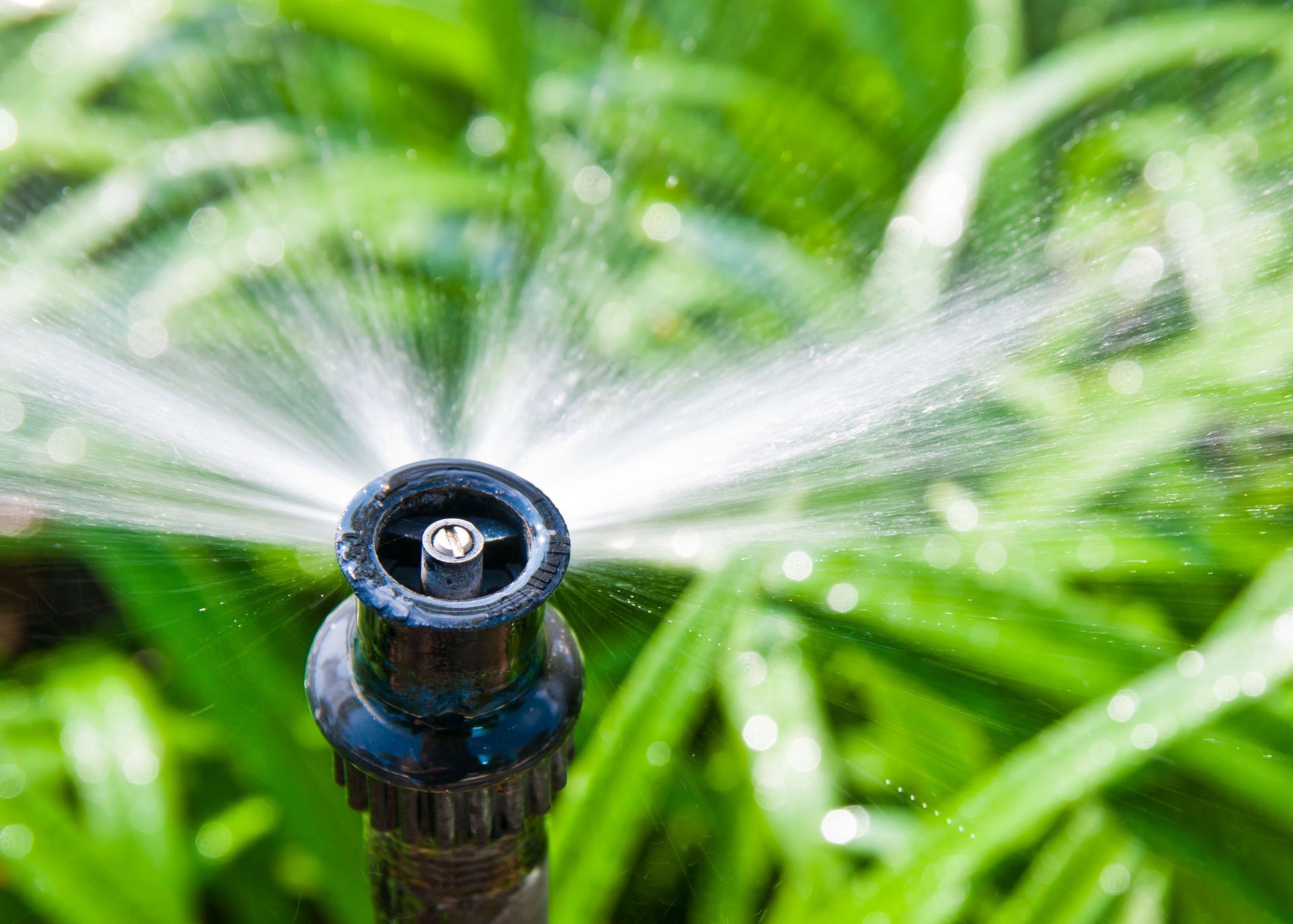
Florida's lawns accumulate a surprising amount of debris over the course of a season — grass clippings, sand, mulch, and even small insects can find their way into sprinkler heads and nozzles. Clogged or damaged heads reduce the efficiency of your irrigation system and often result in uneven watering, with some areas of the lawn thriving while others turn brown. Seasonal maintenance should always include a close inspection of each head to confirm it pops up fully, rotates correctly, and sprays in the intended pattern rather than onto sidewalks, driveways, or the side of the house. Replacing a cracked or misaligned nozzle is a relatively simple fix, but identifying which heads need attention across an entire property can be time-consuming, which is another reason many homeowners choose to have this work handled by an irrigation repair professional as part of a routine service visit.
Testing Backflow Preventers for Safety and Compliance
Backflow preventers are a critical, if often overlooked, component of any irrigation system, protecting your home's drinking water from potential contamination by irrigation water. Many local jurisdictions, including areas within Hillsborough County, require annual backflow testing to remain compliant with plumbing codes. Seasonal maintenance is a natural time to schedule this test, since a technician is often already inspecting other components of the system. A backflow preventer that fails can pose real health risks to your household, which makes this one of the areas where professional testing and certification isn't just recommended — it's often legally required. According to the U.S. Geological Survey, as cited by the USDA, irrigation is responsible for roughly 47% of all freshwater withdrawn in the United States, underscoring just how important it is that every irrigation system, from backflow prevention to shutoff valves, operates safely and without waste.
Scheduling Professional Tune-Ups for Long-Term Performance
While there's plenty homeowners can do on their own to prepare for seasonal changes, a comprehensive tune-up performed by an experienced irrigation professional offers a level of thoroughness that's difficult to replicate independently. Professionals bring specialized tools for detecting pressure loss, underground leaks, and controller malfunctions that aren't visible during a simple walk-through. They can also recalibrate your system's programming to reflect current watering restrictions, seasonal rainfall patterns, and the specific needs of your landscaping. An irrigation system that receives regular professional attention tends to last longer, use less water, and cost less to operate over time than one that's only addressed when something breaks. Given how much of Florida's water usage is tied to irrigation, investing in professional upkeep isn't just good for your lawn — it's a meaningful way to support smarter water use across the community.
Protecting Your Landscape Investment Throughout the Year
At the end of the day, seasonal maintenance isn't just about keeping sprinklers running — it's about protecting everything they support. Lawns, gardens, and mature landscaping represent years of growth and investment, and all of it depends on consistent, well-managed watering. A neglected irrigation system doesn't just waste water; it can lead to dead patches, root stress, fungal disease, and landscaping that struggles to recover once damage sets in. Treating seasonal upkeep as a routine part of homeownership, rather than an afterthought, helps ensure your property stays healthy and attractive across every stretch of Florida's ever-changing weather, while also protecting the long-term value of the outdoor spaces you've worked hard to build.
Seasonal changes in Hillsborough County may not be as dramatic as they are in other parts of the country, but they still place real demands on your irrigation system. From adjusting watering schedules for wet and dry seasons to inspecting hidden pipes, clearing clogged nozzles, and testing backflow preventers, staying ahead of these tasks protects both your landscape and your wallet. And because so many of these components work below the surface or require specialized testing, partnering with a qualified professional ensures nothing gets overlooked.
At Cooper's Lawn & Landscaping LLC, we help Hillsborough County homeowners prepare their properties for every seasonal shift, offering irrigation repair services designed to keep your system running efficiently year-round. If it's time for a seasonal tune-up, backflow test, or a full inspection of your irrigation system, we'd love to help — contact us today to schedule your service and keep your lawn healthy no matter what the season brings.





Share On: