

The Basics of Lawn Sprinkler Systems
In this article, we delve into the core components and functioning of lawn sprinkler systems, exploring their importance in maintaining a lush and healthy lawn. We'll cover various types, components, installation, maintenance tips, benefits, and the role of technology in modern systems. Lawn sprinkler systems are essential for property owners who aspire to have a vibrant, green carpet of grass. These systems ensure an even distribution of water across the entire lawn, promoting healthy grass growth and preventing dry patches. As water resources become a concern across many regions, understanding efficient irrigation practices is more relevant than ever.
Understanding Different Types
Fixed
Fixed sprinkler systems remain stationary and provide a consistent pattern of water to a designated area. They are ideal for smaller lawns or specific garden plots that require uniform watering. These systems can be configured to cover any required pattern depending on the landscaping needs of the property. Their simple, non-movable nature allows them to be quite cost-effective over time. As a result, they are a popular choice among homeowners who prefer a set-and-forget solution for their garden's hydration needs.
Rotating
Rotating sprinkler systems, characterized by their moving spray arms, offer a dynamic method of watering. They are particularly efficient for larger lawns due to their ability to cover wide areas with minimal equipment. By rotating, these systems can distribute water evenly across the terrain, ensuring that every part of the lawn receives adequate moisture. This motion reduces the likelihood of overwatering or water pooling in one spot. According to How Stuff Works, rotary sprinklers can spray between one and five gallons per minute, making them efficient for both water use and lawn coverage.
Oscillating
Oscillating sprinkler systems use a back-and-forth motion to cover rectangular or square areas efficiently. They are highly favored for their capability to emit gentle, rain-like drops, which prevent soil erosion and damage to delicate plants. The gentle watering also allows for water to penetrate the soil more effectively, promoting deeper root growth. These systems are especially useful for gardens or lawns where plants are densely packed together. Maintenance is relatively straightforward, ensuring longevity and consistent performance when positioned correctly.
Key Components
Sprinkler Heads
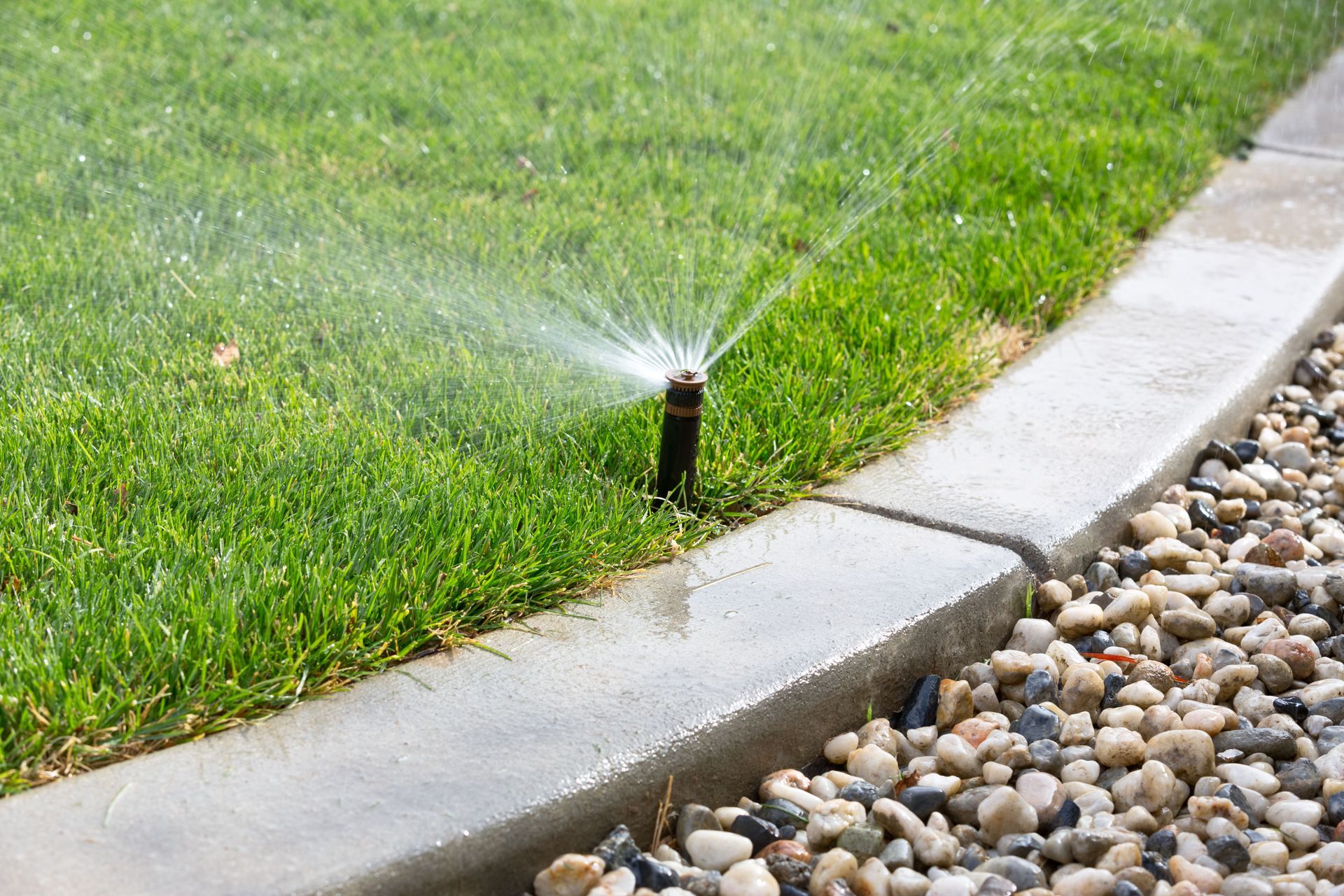
Sprinkler heads are the primary dispersal points for water, available in various styles to accommodate diverse landscaping needs. The crucial factor in choosing a sprinkler head is the coverage pattern—ranging from fixed patterns to adjustable arcs. Depending on the type, the heads can spray gentle showers or powerful jets. Factors such as spray radius and gallon-per-minute throughput also influence the selection process. Proper alignment and maintenance of these components are essential for effective water distribution and system efficacy.
Valves and Valve Boxes
Valves control the flow of water through the sprinkler system, acting as the gateways that open and close based on set schedules. Automated valves directly connect to timers, allowing the system to function with minimal manual intervention. Valve boxes protect these essential parts from environmental wear and tear while providing access for maintenance. Their proper functioning ensures that water is only distributed during necessary intervals, aiding both water conservation and lawn health. Regular checks and maintenance of valves can prevent leaks and optimize system performance.
Control Timers and Controllers
Control timers and controllers are the brains of a lawn sprinkler system, managing watering schedules based on user input. They can be as simple as mechanical timers or more advanced with digital interfaces, offering programming flexibility and ease of use. Some modern controllers come equipped with smart technology, integrating with weather apps to adjust watering based on real-time weather conditions. Automatic shut-offs can be critical in saving water during unexpected rainstorms. By precisely controlling the watering times and duration, these devices enhance plant health and system efficiency.
Installation Process
Planning and Design
Effective planning and design are critical components of a successful sprinkler system installation. The first step involves assessing the lawn's size, shape, and landscaping features to determine the optimal layout. Mapping the path of pipes and the placement of sprinkler heads requires careful consideration to ensure all areas receive adequate coverage. Evaluation of water pressure and flow rates is also important to accommodate the system's needs. It's advisable to consult with professionals or employ design tools to create the most efficient system layout.
Gathering the Right Tools and Materials
Assembling the necessary tools and materials beforehand can streamline the installation process significantly. Essential tools include trenching equipment for laying pipes, wrenches for connecting components, and protective gear for safety. Materials will largely depend on the system design but generally consist of PVC pipes, valves, sprinkler heads, and timers. Each component should be selected based on the specific requirements detailed in the design phase. Preparing a checklist can help keep track of all materials needed, preventing delays in the installation process.
Laying Out the System
Marking the system layout on the lawn is the next step, often done using string or spray paint to delineate where the pipes and sprinkler heads will go. Care should be taken to avoid existing trees, utility lines, or other obstacles. Trenching should be carried out carefully to lay the main water line and connect it to the satellite lines. Employing a consistent and strategic approach during this phase ensures a seamless installation with minimal future disruptions. Accuracy in layout and alignment contributes to effective water distribution once the system is operational.
Maintenance Tips for Optimal Performance
Regular Inspection and Cleaning
Routine inspection and cleaning are fundamental for maintaining a well-functioning sprinkler system. Sprinkler heads can become clogged with debris, affecting water flow and distribution. Regular checks can quickly identify and resolve such issues, preventing further system damage. Maintenance should also involve examining pipes for leaks or weak points. Consistent cleaning and inspection efforts ensure the system operates efficiently, extends its lifespan, and maintains lawn health.
Seasonal Adjustments
Seasonal adjustments in watering schedules are necessary to accommodate changing environmental conditions. During warmer months, lawns may need more frequent watering, while shorter sessions might suffice in cooler periods or during rainy seasons. Adjusting sprinkler settings, aligned with seasonal demands, helps conserve water and supports healthy lawn growth. Utilizing smart controllers can make this process more efficient, automatically adapting to seasonal changes. Such proactive management ensures that lawns receive the necessary hydration without oversaturating the soil.
Detecting and Repairing Leaks
Leaks, common in sprinkler systems, lead to water wastage and undermine system efficiency. Regularly monitoring water bills for unexplained spikes can indicate possible leaks. Physical inspections of the lawn may also reveal wet patches that suggest leakage below the surface. Quick detection and repair of leaks minimizes water loss and restores the system's efficiency. Proper sealing and routine maintenance checks are the best preventive measures against leaks.
Understanding lawn sprinkler systems is essential for anyone looking to maintain a vibrant lawn efficiently. Through examining types, mechanisms, and the latest technology, homeowners and landscapers can make informed decisions, resulting in water-savvy practices and thriving greenery. Modern systems not only enhance landscape aesthetics but also contribute to sustainable environmental practices. As these systems continue to advance, their potential for improved water conservation and lawn health grows exponentially. Investing in effective sprinkler solutions enhances property value while safeguarding natural resources.
Ready to transform your lawn into a lush, hassle-free oasis? Contact Cooper’s Lawn & Landscaping LLC today for expert sprinkler installation and maintenance tailored to your property’s unique needs.




Share On: